
Common Causes of Concrete Foundation Damage
People seeking foundation damage repair aim to fix structural issues caused by common causes like soil movement or water intrusion, with local contractors ready to provide effective solutions.
Understanding the common causes of concrete foundation damage is an important step for property owners looking to protect their investments. Foundations can be affected by a variety of factors, including soil movement, poor drainage, and temperature fluctuations, all of which are prevalent concerns in many local areas. Recognizing these issues early can help prevent more extensive and costly repairs down the line. Local contractors who specialize in foundation repair often see these causes firsthand and can offer insights into how they might impact specific properties.
For those exploring foundation damage repair options, knowing what typically leads to foundation issues can guide decisions about maintenance and preventative measures. Whether it’s addressing drainage problems or managing soil stability, experienced service providers in the area are equipped to assess the situation and recommend appropriate solutions. Keeping an eye on these common causes and understanding how they relate to foundation health can make a significant difference in maintaining a safe and stable property.
- When foundations show signs of cracking or shifting due to soil movement, local contractors can assess and repair damage caused by soil expansion or contraction. - If water infiltration or persistent moisture issues threaten the stability of a foundation, local service providers can implement waterproofing and drainage solutions. - In cases where tree roots or vegetation exert pressure on the foundation, local pros can perform root removal and structural reinforcement to prevent further damage. - When poor soil compaction or improper backfilling lead to uneven settling, local contractors can stabilize and level the foundation to restore integrity. - If structural deterioration results from freeze-thaw cycles or temperature fluctuations, local service providers can evaluate and carry out necessary repairs to prevent future issues.
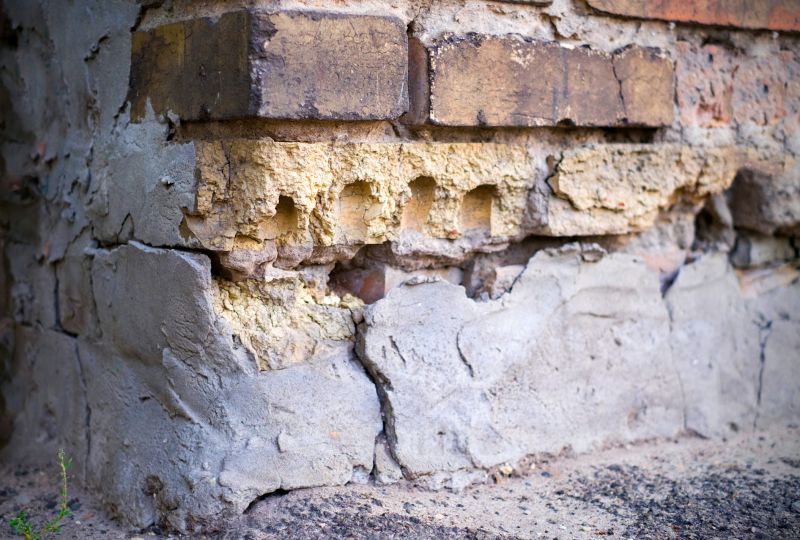
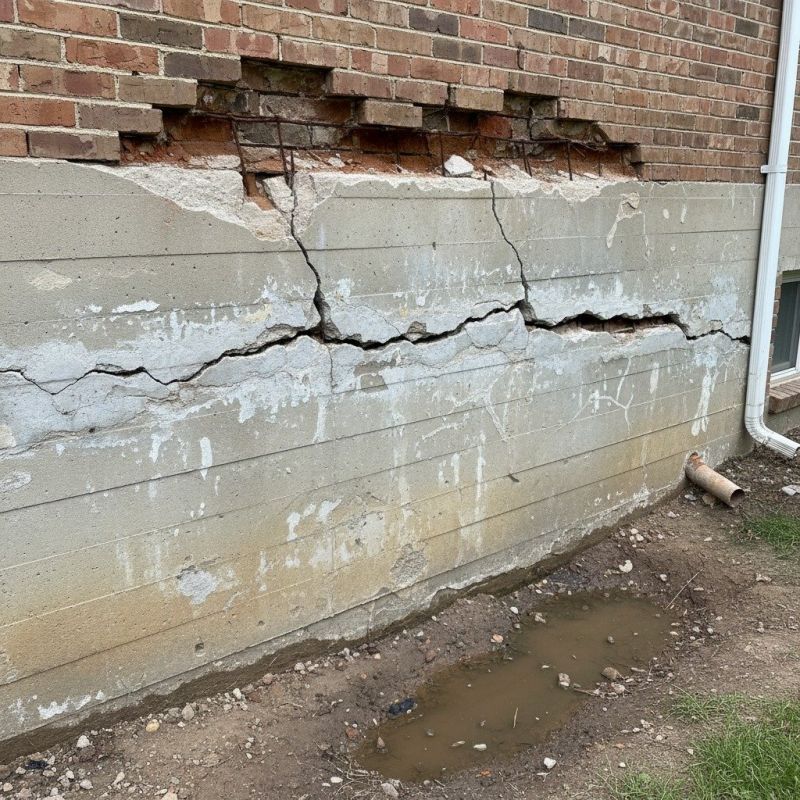
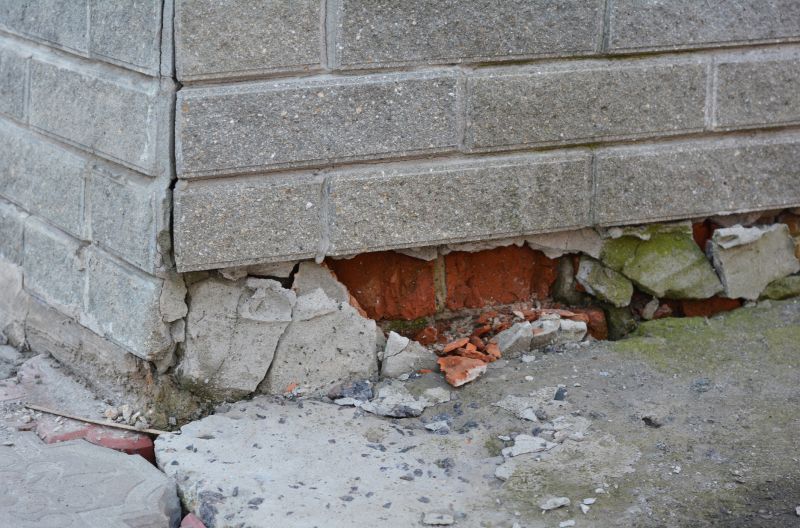
Understanding common causes of concrete foundation damage is essential for homeowners who notice cracks, uneven floors, or shifting walls. When searching this topic, people often want to learn why their foundation may be deteriorating and what factors contribute to these issues. Foundation damage can stem from a variety of underlying problems, including soil conditions, water management, and structural stress. Recognizing these causes helps property owners determine whether repairs are necessary and how to prevent future damage. Local contractors specializing in foundation repair can assess specific issues, identify root causes, and recommend appropriate solutions to restore stability and safety.
The problems related to foundation damage are typically linked to the stability of the soil supporting the structure and the way water interacts with that soil. For instance, expansive clay soils can swell when wet and shrink during dry periods, exerting pressure on the concrete and causing cracks or shifting. Poor drainage around the property can lead to water pooling near the foundation, which weakens the soil and accelerates deterioration. Additionally, improper backfilling after construction or nearby excavation work can disturb the soil’s natural balance, resulting in uneven settling or cracking. These issues are common in residential properties but can also affect commercial buildings, especially those built on unstable or poorly prepared ground.
Certain types of properties are more likely to experience foundation damage caused by these common issues. Homes with basements or crawl spaces are particularly vulnerable, as their foundations are in direct contact with the soil and exposed to moisture fluctuations. Properties built on clay-rich soils or in areas with high water tables face increased risks of soil expansion and contraction. Older buildings may also be more susceptible due to outdated construction methods or materials that have deteriorated over time. Commercial or multi-unit residential structures are not immune, especially if they are located in regions prone to heavy rainfall or poor drainage. For these types of properties, understanding the underlying causes of foundation damage is crucial for planning effective repairs and ongoing maintenance.
Local service providers specializing in foundation repair can evaluate the specific causes behind foundation issues and recommend tailored solutions. They often perform detailed assessments to determine whether soil conditions, water management, or structural factors are contributing to the damage. By addressing the root causes-such as improving drainage, underpinning, or soil stabilization-these professionals help restore the foundation’s integrity. Property owners benefit from expert guidance on preventive measures and repairs that can extend the lifespan of their structures. Connecting with experienced local contractors ensures that foundation problems are handled efficiently and effectively, providing peace of mind and long-term stability for any property.
Basement waterproofing projects involve understanding soil conditions and moisture management, skills that are useful for addressing foundation damage caused by water intrusion.
Drainage system installations require planning and knowledge of soil and grading, which are essential when preventing or repairing issues related to foundation settling and cracking.
Retaining wall construction involves soil retention and load management, similar to addressing foundation shifting caused by soil movement or erosion.
Soil stabilization services focus on improving soil strength and consistency, directly related to preventing foundation settlement due to soil instability.
Concrete repair and leveling projects utilize skills in surface assessment and concrete work, which are applicable when fixing cracks and uneven foundations.
Waterproofing and sealing services require moisture control techniques that help mitigate damage from water-related causes of foundation deterioration.
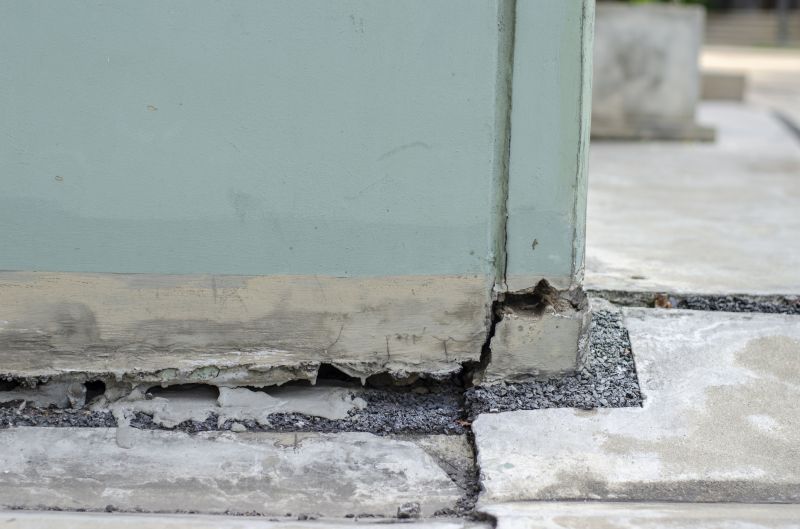
When comparing service providers for foundation damage repair, it’s important to consider their experience with similar projects. Local contractors who have a proven track record in addressing common causes of concrete foundation damage are more likely to understand the specific challenges involved. Their familiarity with the local soil conditions, climate factors, and building styles can influence the effectiveness of the repair solutions they recommend. Asking about past projects comparable to the current situation can help homeowners gauge whether a contractor has the relevant expertise to handle issues such as settlement, cracking, or shifting caused by moisture or soil movement.
Clear written expectations are a crucial part of selecting a reliable foundation repair service. Homeowners should look for providers who can offer detailed descriptions of the scope of work, the methods to be used, and the materials involved. Transparent communication about what the repair process entails helps prevent misunderstandings and ensures that both parties are aligned on the project’s goals. Service providers who provide thorough written estimates and explanations demonstrate a commitment to clarity, which can be especially valuable when addressing common causes of foundation damage that may require specific interventions or preventative measures.
Reputable references and good communication are key factors when evaluating local contractors. Service providers with a history of satisfied clients and positive references indicate a track record of quality work and professionalism. Additionally, responsive and clear communication throughout the process allows homeowners to stay informed and ask questions as needed. This level of engagement can be especially beneficial when dealing with foundation issues, as timely updates and honest dialogue contribute to a smoother repair experience. Ultimately, choosing a contractor who demonstrates transparency, experience with similar projects, and a commitment to clear communication can lead to more successful and lasting foundation repairs.
Property owners often search for common causes of concrete foundation damage when they are planning practical projects around their homes and businesses. Local pros provide Foundation Damage Repair services for everyday jobs and straightforward project options.
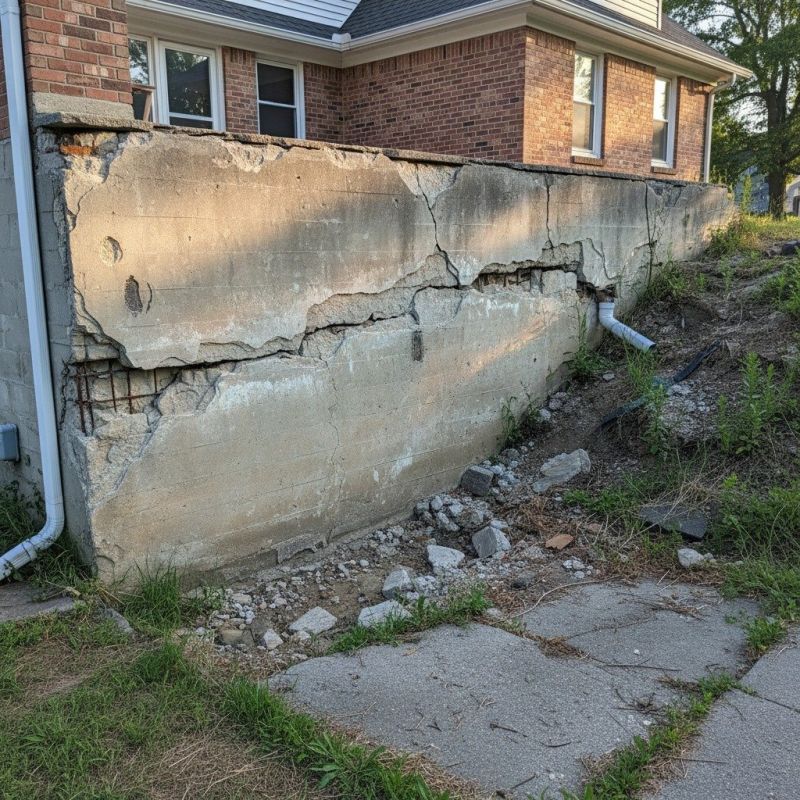
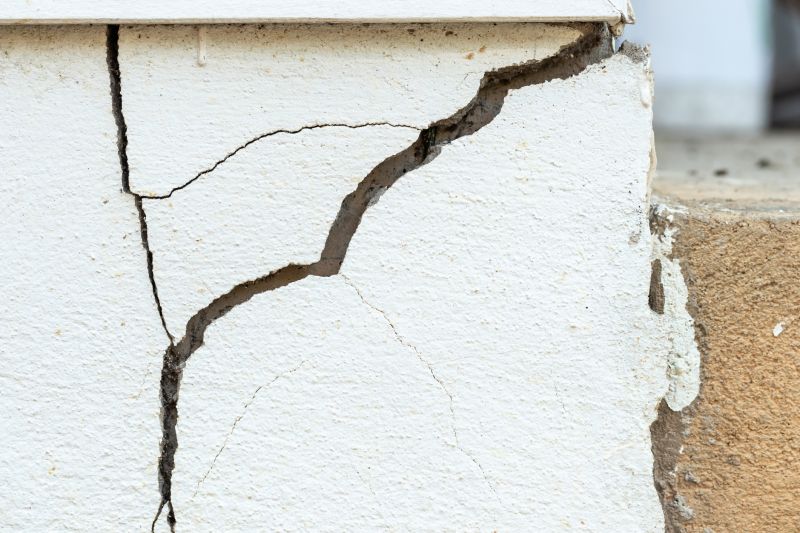
Understanding the common causes of concrete foundation damage can help property owners identify issues early and seek appropriate repairs. In many cases, everyday project situations such as poor drainage around the property or improper soil preparation can lead to foundation problems. Heavy rainfall or improper grading can cause water to pool near the foundation, leading to erosion or shifting soil that puts stress on the structure. Additionally, frequent ground movement due to freeze-thaw cycles or expansive soil conditions can result in cracks or uneven settling, making it important to have experienced local contractors assess the situation.
Property owners in the area might also notice signs of foundation damage after landscaping or excavation projects that disturb the soil beneath the home. Over time, changes in moisture levels-whether from drought or excessive watering-can cause soil to shrink or swell, exerting pressure on the foundation. These common causes highlight the importance of consulting local service providers who specialize in foundation damage repair. They can evaluate the specific circumstances, recommend appropriate solutions, and help restore stability to the property.
What are common causes of concrete foundation damage? Common causes include soil movement, poor drainage, and inadequate construction practices that lead to shifting or cracking of the foundation.
How does soil movement affect foundation stability? Soil movement, such as expansion or contraction due to moisture changes, can exert pressure on the foundation, causing cracks or settling over time.
Can poor drainage lead to foundation issues? Yes, poor drainage around a property can cause water to accumulate near the foundation, increasing the risk of erosion, cracking, and structural damage.
What role does improper construction play in foundation damage? Improper construction techniques, like inadequate reinforcement or poor quality materials, can weaken the foundation and make it more vulnerable to damage.
How can local contractors help prevent or repair foundation damage caused by these issues? Local service providers can assess the cause of damage, recommend appropriate repairs, and implement solutions to stabilize and protect the foundation from further issues.
Water drainage issues - Ensuring proper grading around the foundation can prevent water from pooling and causing damage, and local contractors can help install effective drainage solutions.
Soil movement - Recognizing signs of shifting soil, such as cracks or uneven floors, allows property owners to seek foundation stabilization services from experienced local pros.
Poor construction practices - Identifying early signs of construction-related damage can lead to timely repairs by local contractors skilled in addressing foundational flaws.
Tree roots proximity - Managing nearby tree roots that may exert pressure on the foundation is a practical step, with local experts able to assess and mitigate root-related risks.
If you are thinking about common causes of concrete foundation damage for a property, this guide is meant to help you understand this topic, the typical project types, and how different options might fit your plans.
When you are ready, you can use the quote form on this page to share a few details about your project. From there, local pros can review the basics and follow up with options that match what you have in mind.